



Over the past two decades, digital transformation in consumer packaged goods (CPG) has significantly changed how products are produced and delivered. Today’s digital capabilities support faster processes, better access to information, and more efficient, connected operations.
For example, think of the process of buying a new appliance, such as a microwave oven. In the not-so-distant past—say, 15 years ago—this commonplace task would require numerous steps carried out at myriad locations: Perhaps you would visit a showroom or store to assess the options and features available and take some notes on what you liked. Then, you might return home, sit down at your desk, and look up reviews on your computer. Once you had a better idea of the model you wanted, you might call local stores to check prices and availability—since that information wasn’t readily provided online. You would then drive to the store, purchase the appliance and head home. Today, that process can be completed in minutes from a hand-held device. You have even more information to assist in your decision, and a totally seamless process facilitating research and ordering without leaving your couch—let alone your home.
Consumers today have come to expect this seamless experience, with any extraneous steps or friction points viewed as an inconvenience. The realities of CPG manufacturing mean that margins are thin, newfound efficiencies are difficult to come by, and metrics such as uptime and overall equipment effectiveness (OEE) must be continually monitored and optimized to maintain viability. The benefits of digital transformation in consumer goods can apply to all these areas and more, which is why it is critical for CPG companies to begin taking these steps.
Why must digital transformation in CPG occur?
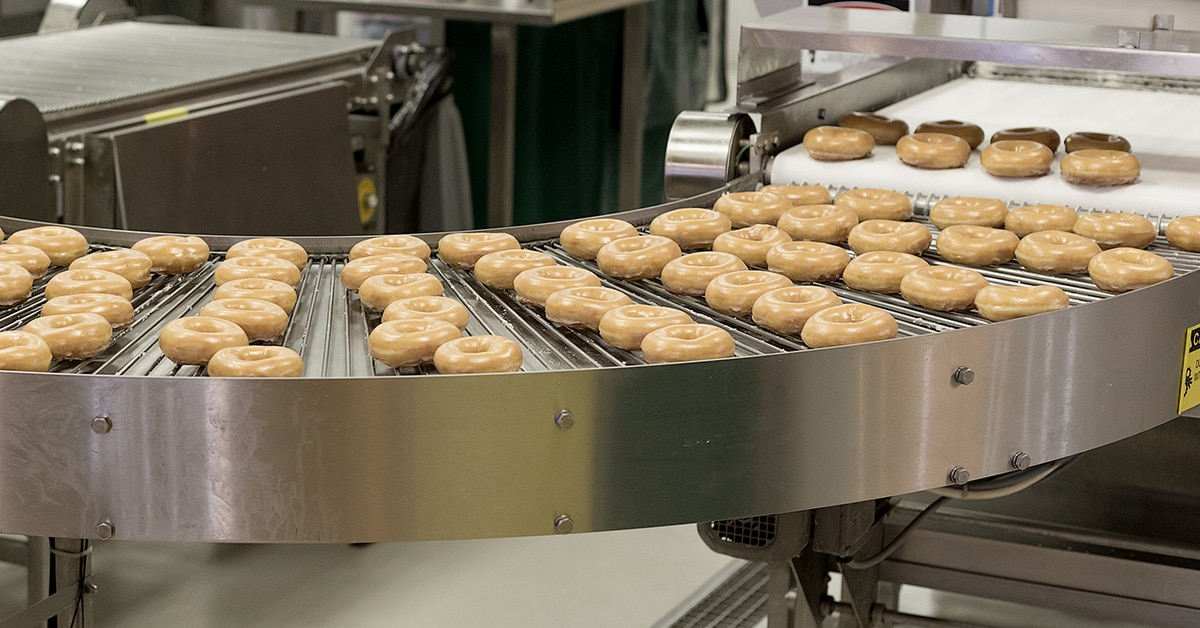
When we expound upon the realities of CPG manufacturing, we are discussing process, bulk manufacturing of high-demand products, such as toiletries, packaged foods and beverages, cosmetics, dry goods, and the like. Demand for these consumer goods is such that production is occurring at maximum capacity—around the clock. Productivity and output cannot be amplified by simply increasing production time, so efficiencies must be identified elsewhere to remain competitive and profitable.
This is where embracing CPG digital transformation can be most valuable. Keep in mind that true digital transformation means the difference between “doing digital” and “being digital,” as professional services company Deloitte describes it in a report on the state of digital in CPG. Essentially, “doing digital” means investing in digital technology that can enable digital transformation, while “being digital” means creating and implementing the right strategies and tactics to use that technology most effectively.
Fully committing to a digital transformation can provide companies with a newfound edge on the competition, while setting them up for continued success by optimizing maintenance and reliability to maximize uptime, performance and efficiency to meet demand.
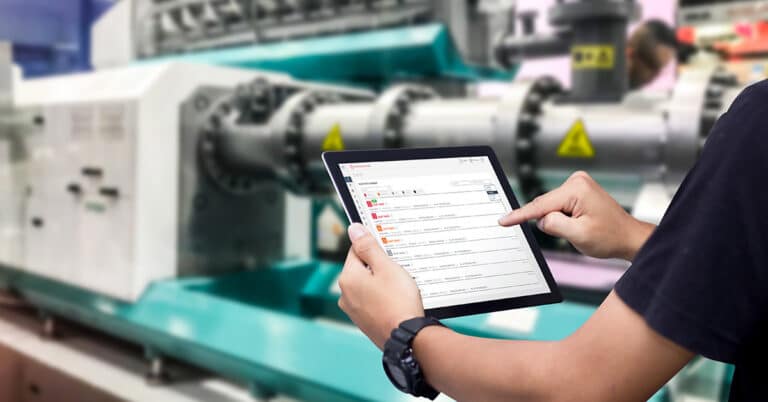
For example, a beverage manufacturer implementing digital monitoring systems gains real-time visibility into equipment performance, enabling teams to detect early signs of failure and reduce unplanned downtime.
Benefits of digital transformation
- Increased insight into processes: Gain unprecedented amounts of data about equipment performance indicators and health metrics—enabling process optimization, data analytics, predictive maintenance, predictive analytics, productivity and quality improvements, and more.
- Supply chain benefits: A fully committed digital transformation can integrate with internal and external supply chain functions to yield vast improvements in flexibility and reliability—creating pricing benefits, inventory improvements, and an overall more effective and resilient supply chain.
- Reduced maintenance costs: By embracing technology such as industrial sensors and data analytics software, CPG facilities and the CPG industry can revolutionize their maintenance processes with tactics such as predictive maintenance. This is a data-based approach that reduces or eliminates unplanned downtime and allows for more effective maintenance planning and scheduling. In a sector where productivity often appears to be maxed, predictive maintenance can make all the difference in uncovering new cost savings.
- Increased connection with consumers and the way they shop: As the consumer experience becomes increasingly digitally oriented, CPG manufacturers that lag on the technology front will invariably be overlooked. With CPG products in higher demand than ever, and the buying landscape shifting, digital transformation can help manufacturers remain nimble and responsive to maintain their competitive edge.
How CPG manufacturers start a digital transformation strategy
Beginning a digital transformation strategy requires a clear strategic roadmap aligned to operational goals. This starts with assessing current processes to identify inefficiencies and opportunities to improve maintenance, quality and performance. Organizations can then prioritize high-impact areas, focusing on initiatives that support reliability and uptime. Pilot projects help validate technologies and approaches, allowing teams to determine what delivers measurable results. Successful solutions can then be scaled across an organization’s entire operations to drive consistent performance improvements.
Step | Action |
Acess operations | Identify inefficiencies |
Prioritize high-impact areas | Focus on maintenance or quality |
Implement pilot projects | Test digital technologies |
Scale successful solutions | Expand across operations |
How ATS supports digital transformation in CPG manufacturing
ATS can help CPG manufacturers implement digital transformation strategies that improve equipment reliability, product development, reduce downtime and optimize production performance through data-driven maintenance solutions.
Our continuous improvement culture delivers the operational efficiencies CPG manufacturers need to decrease downtime, meet production goals and reduce costs. At ATS we offer tailored workforce solutions and a wide range of technology-driven maintenance solutions designed to meet the specific needs of CPG companies through their journey of digital transformation.
ATS works as a partner to help you evaluate options and implement solutions aligned to your operational needs. We provide maintenance solutions, technical workforce support, and recruiting to support reliability and performance. By reviewing your operations holistically, we develop programs that advance digital transformation and improve uptime, efficiency and overall performance.
For more information, contact ATS today.