




The introduction of computers in industrial plants was revolutionary back in the day. It marked the beginning of the digitization of manufacturing information—from written and typed words to computer-readable formats—and massively curtailed dependence on paper-based records.
We are now in the midst of Industry 4.0, the next exciting revolution in smart manufacturing, where computerized systems and production processes are vastly more connected, intelligent, automated, and autonomous. The term “digital factory” was coined for plants that are currently or striving to become completely “digitalized.”
Leaders in the digital transformation of existing (brownfield) plants are optimizing the application of cutting-edge technologies and digital information to streamline crucial manufacturing processes and deliver improved outcomes. Some are also using the new capabilities to realign their overall business model. Many begin with a proof-of-concept pilot involving a critical asset, system, production process, or line, before investing in further deployments. In comparison, new (greenfield) plants can be built from the ground up as cutting-edge digital factories. Digital factories are no longer a trend—they’re a competitive necessity, which is why manufacturers need to decide which technologies they must adopt first and how to scale them.
Five common denominators in digitalization
What is a digital factory? Whether fully digital or still making the transition, digital factories have the following characteristics in common:
- Connectivity: Cloud, network or hybrid connectivity exists between software applications, automation systems, machines, and edge devices—within the site or across the enterprise—and potentially among authorized equipment and service providers. Cloud computing and other forms of connectivity facilitate the standardization of digital technology and software platforms as well as work processes, data, performance metrics, reports, and dashboards. By design, it increases productivity and operational efficiency, improves cost-effectiveness, and allows organizations to better coordinate business goals and objectives.
- Advanced intelligence: Intelligent data processing, analytics, and a higher degree of automation are supported. Digital factories augment human intelligence with artificial intelligence (AI), machine learning (ML), pattern recognition, and smart analytics to make better and more timely maintenance decisions and fine-tune asset and operational performance. They can leverage digital models or “twins” of critical assets, systems, or complete factories to simulate process or equipment changes, complex maintenance tasks, or engineering improvements before applying them in the live environment.
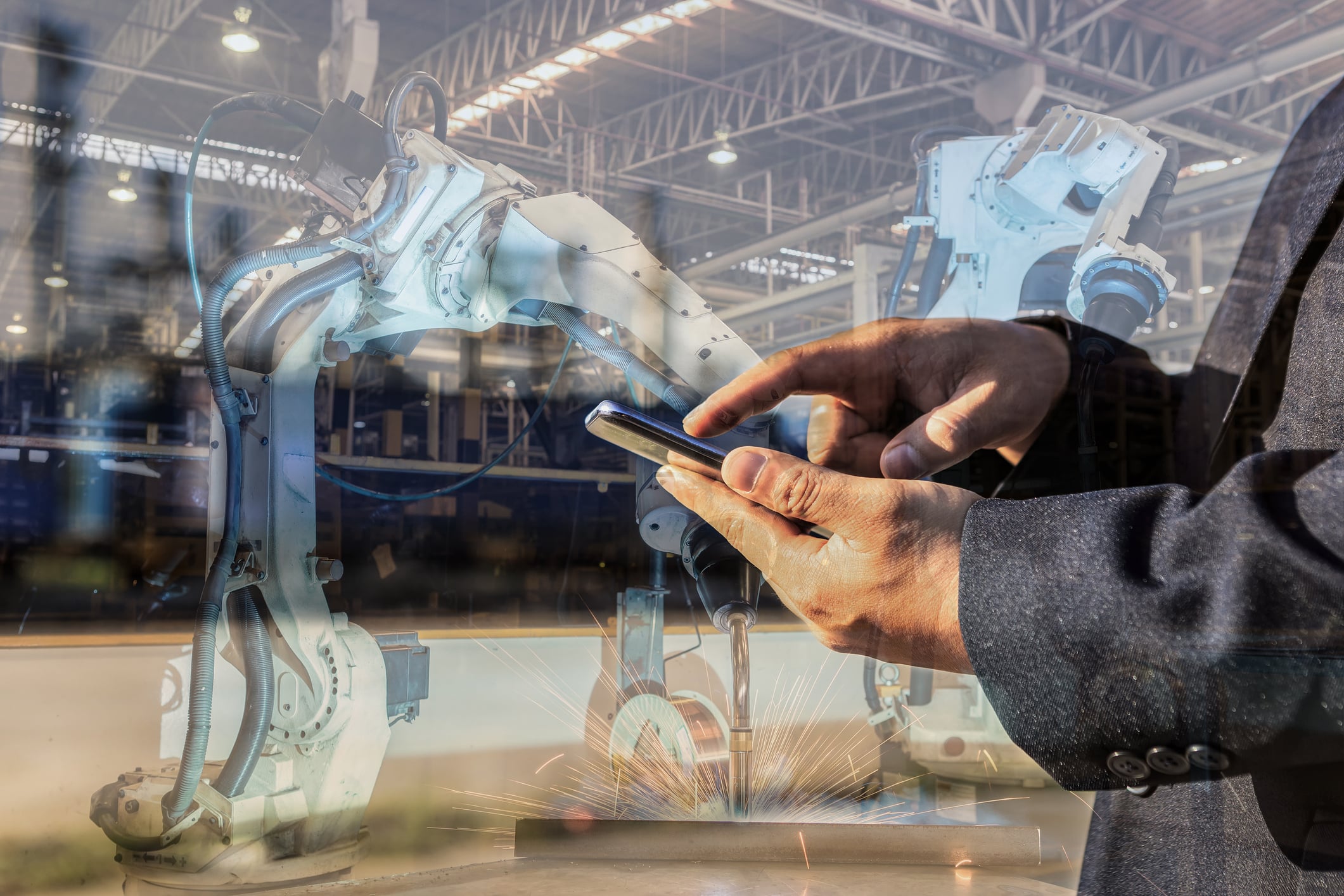
- IIoT enablement: Connected industrial internet of things (IIoT) devices may include smartphones, tablets, or rugged data collectors; wired or wireless machine sensors; robots or cobots (collaborative robots); autonomous vehicles; drones; security cameras; wearable safety technology; or portable condition monitoring (CM) devices such as infrared (IR) thermography cameras, vibration analyzers, or ultrasonic leak detectors. Using IIoT devices, companies can streamline or automate cumbersome tasks and aggregate and analyze insights from a broader collection of real-time data.
- Extended reality: Augmented reality (AR), virtual reality (VR), and mixed reality (MR) technologies improve the employee experience. These digital tools enable remote inspections, real-time collaboration, expert diagnostics, guided assistance, immersive training, virtual demonstrations, and interactive design reviews.
- Maintenance optimization: Remote monitoring sensors on critical machines and systems stream condition and production data for real-time ML and data analytics. This allows reliability teams to restrict preventive maintenance (PM) and run-to-failure (RTF) strategies in favor of predictive maintenance (PdM), which provides early warning of degradation, and prescriptive maintenance (RxM), which is predictive but also recommends corrective actions. Some plants will incorporate digital twins to test maintenance plans and assess upgrade and replacement strategies, and extended reality to improve collaboration, decision making, and maintenance precision. With these digital factory solutions, plants can reduce maintenance costs and downtime and extend asset life. They also increase worker safety, regulatory compliance, and environmental sustainability.
Looking to reduce downtime and increase reliability?
Digitalization in manufacturing serves many purposes
Digital manufacturing inherently addresses production challenges such as skills gaps, manpower shortages, remote and mobile workers, and the loss of tribal knowledge from retiring personnel. They automate repetitive, hazardous, distant, and unskilled tasks, allowing personnel to focus on more beneficial roles such as root cause failure analysis (RCFA), criticality analysis, standards enforcement, and platform optimization. Digitalization also enables new manufacturing business models such as mass customization, dark factories (lights-out manufacturing), servitization (delivery of aftermarket services), and regionalization. It promotes consistency in plants across the manufacturing enterprise and improves uptime, productivity, quality, performance, and cost-effectiveness. Digitalization in the manufacturing industry can support several key operational improvements, including:
- Workforce shortage mitigation
- Productivity gains
- Remote operations
- Quality improvements
- Cost reduction
- New business models
Common challenges in digitalization
Digitalization delivers real benefits, but manufacturers are likely to run into challenges along the way. Recognizing these early, and building a plan to work through them, can help keep digital transformation initiatives on track. Some of the most common obstacles that can threaten a successful digital transformation include:
- Investment: Adopting advanced technologies is rarely cheap, and many manufacturers find the high initial cost of digital transformation efforts a significant challenge in the early stages. This is where having a clearly defined strategy at the onset and working with experienced digitalization experts can be extremely beneficial.
- Cybersecurity: The more connected a facility is, the more potential vulnerabilities there may be. Manufacturers need to make sure the connections between assets and digital systems are well-protected, with cybersecurity measures built to keep unauthorized users out.
- Integration: Many manufacturing companies face difficulties due to legacy systems that need to integrate with the new technology they implement. With the right expertise on their side, manufacturers can ensure older and newer technology work together more smoothly.
- Resistance: In some cases, employees may be reluctant to embrace new technology. Whether they’re skeptical about its use or simply comfortable with the status quo, workers who resist change can make the manufacturing digital transformation process slower. This is why it’s important to communicate the value of the new technology up front and invest in thorough training and onboarding programs to make sure everyone is comfortable with the new additions.
Smart factory readiness checklist
When considering the best course of action for digital transformation in manufacturing, leaders should have the following:
- Defined digital strategy
- IIoT infrastructure in place
- CMMS or data platform integrated
- Skilled workforce
- Executive alignment
- Clear KPIs and ROI targets
With the right digital strategies, manufacturers can ensure a smooth and effective digitalization process.
New opportunities for expert assistance
Besides improving visibility and collaboration internally, digital factories also enable expert maintenance partners to provide asset monitoring and management services. Because ATS partners with leading process and discrete manufacturers across a wide range of industries, they have amassed a robust knowledge base of equipment expertise from which to make asset maintenance and management recommendations through actionable insights.
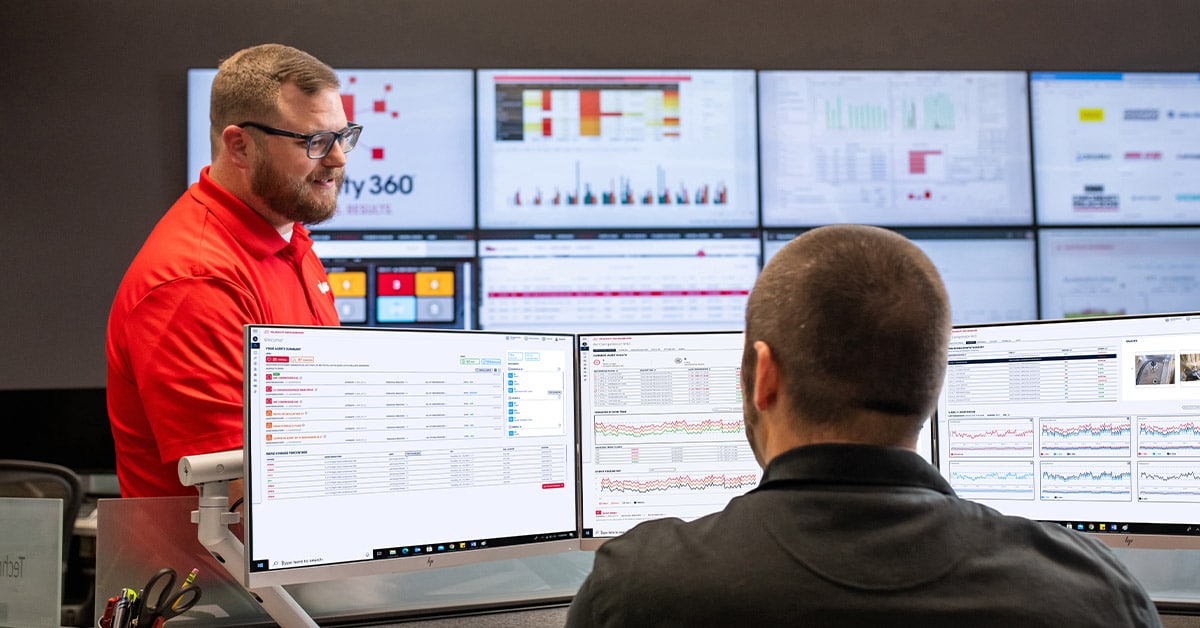
From the installation of machine health monitoring sensors to the Reliability 360® Technology Center and skilled maintenance technicians, ATS’ team of reliability experts will support your digital transformation by collecting and analyzing machine data and recommending action plans to eliminate unplanned downtime and improve OEE. The Reliability 360® Technology Center, an extension of our industrial maintenance services, represents a technology-based approach to asset health and improved productivity powered by over three decades of maintenance, MRO and reliability expertise. To learn more, contact us today.