
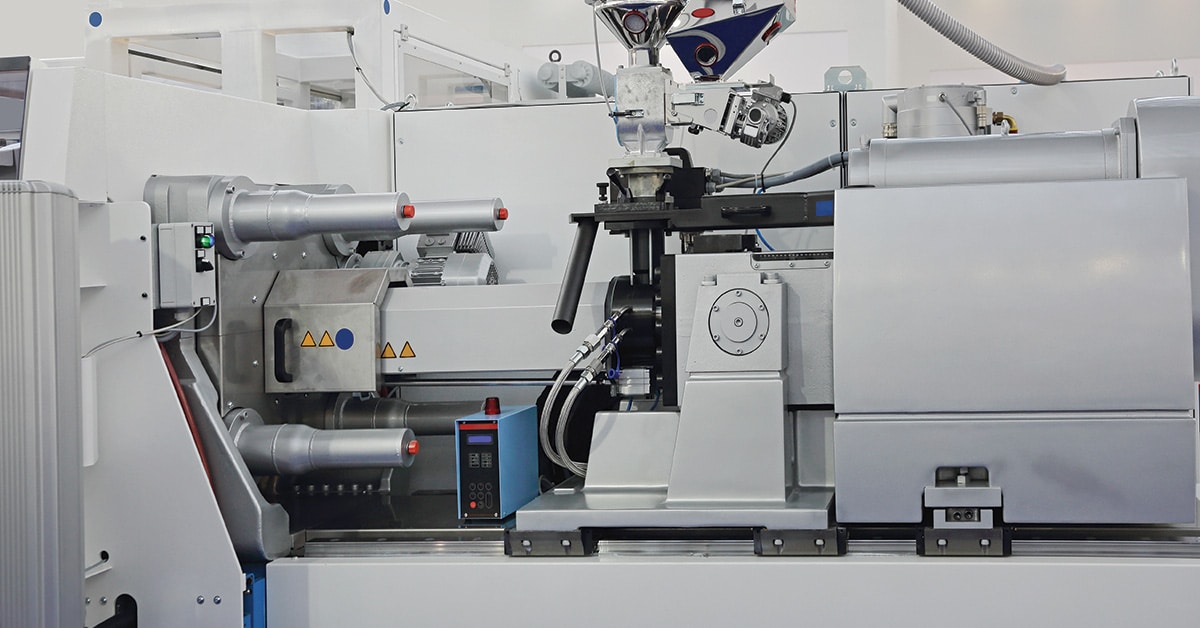




Even as 3D printing and other advanced additive manufacturing methods continue to rise in prominence throughout the industry, injection molding remains a critical process for many products. This means injection molding machines are integral for manufacturers across all market sectors and keeping them online for as long as possible is key for productivity.
The performance and reliability of these assets depend on consistent maintenance practices to keep them in good working order and prevent unexpected downtime. Without consistent upkeep, injection molding equipment may be subject to quality defects, longer cycle times, mechanical failures, and costly downtime. This is why manufacturers who depend on this equipment must have a structured injection mold maintenance program to ensure consistent output, extended lifespans and improved operational efficiency.
How injection molding machines work
The plastic injection molding process involves forcing molten plastic into a mold cavity where it solidifies into the desired shape before being ejected from the mold. The plastic material typically takes the form of pellets that are fed through a hopper into a heated chamber, where a reciprocating screw forces it through a nozzle into the mold.
Because of the often-intense heat and pressure involved in this process, components may wear down faster than in other manufacturing methods. In addition, the precision nature of these systems means any misalignment, wear or contamination can have an outsized impact on the performance of the assets.
Why injection molding machine maintenance matters
Keeping injection mold equipment in prime working condition is critical because it prevents a wide range of issues that can impact production including:
- Reduced part quality and dimensional inaccuracies
- Increased scrap and rework
- Extended cycle times
- Hydraulic system failures
- Increased energy consumption
- Safety risks for operators
- Reduced equipment lifespan
- Costly production downtime
Common maintenance issues in injection molding machines
Injection molding machines are complex pieces of equipment, and there are many areas where things can begin to go wrong without proper maintenance and attention, leading to costly repairs. Some of the most frequently encountered issues with these machines include:
- Screw and barrel wear
- Hydraulic leaks
- Contaminated hydraulic fluid
- Heater band failures
- Sensor and control system malfunctions
- Mold alignment issues
- Cooling system blockages
- Clamp system wear
Being on the lookout for these concerns can help ensure maintenance teams stay on top of minor issues before they have the chance to lead to failures that impact production.
Daily injection molding machine maintenance checklist
Preventing downtime in injection molding equipment begins with daily checks to ensure components remain in good shape and proper alignment. Here is a list of recommended inspection points technicians should look at daily to keep these machines in good condition:
- Inspect hydraulic lines and fittings
- Check hydraulic oil levels and fluid condition
- Clean machine surfaces and remove plastic debris
- Verify heater band functionality
- Inspect safety guards and interlocks
- Monitor pressure and temperature readings
- Check for unusual noises or vibration
- Inspect mold alignment and clamping pressure
Preventive maintenance for injection molding equipment
In many cases, keeping up with scheduled preventive maintenance can keep assets including plastic injection molding machines online and running at optimal performance for as long as possible. The following checklist includes the most important regular maintenance tasks for injection molding machinery:
- Hydraulic system inspection and fluid replacement
- Barrel and screw inspection
- Clamp unit lubrication
- Cooling system maintenance
- Electrical system checks
- Sensor calibration
- Control system diagnostics
- Filter replacement
Plastic injection mold maintenance and care
As one of the most important components of an injection molding machine, the mold itself must receive proper care to ensure optimal performance of the entire system. This includes cleaning it with approved solvents and lint-free cloths to remove any plastic residue that may remain inside after a production run. Compressed air also should be used to blow away any dust or other contaminants that may be clinging to the inside of the mold, its vents and the parting lines. Regular inspections should be performed to check for any cracks, scratches, burrs, or other flaws on the surface of the mold. When storing molds, they should be thoroughly cleaned and dried first before being stored with the plates kept separate.
Injection molding machine lubrication best practices
Lubrication is essential for proper injection molding, and there are numerous components on an injection molding machine that require it. These include:
- Guide rails and clamp components
- Tie bars
- Gear systems
- Hydraulic system components
Ensuring these remain well-lubricated prevents excessive friction and premature wear on components. It also helps maintain consistent motion control that is critical for accuracy in the finished product.
Monitoring equipment performance for early failure detection
In today’s modern manufacturing industry, technology makes watching out for signs of potential equipment failure much easier. For example, machine condition monitors provide valuable insights into temperature and vibration fluctuations that could indicate trouble. Modern data infrastructure also makes it possible for technicians to monitor variations in cycle times that could mean maintenance is needed to restore proper performance in injection molding equipment.
Integrating injection molding maintenance into a CMMS
Using a Computerized Maintenance Management System (CMMS) is standard operating procedure for many manufacturers today. These systems enable centralized scheduling of preventive maintenance tasks as well as automated work order management. This technology also helps maintenance teams track repair histories, monitor spare parts inventories and analyze machine performance trends.
Protecting productivity in injection molding operations
With the right structured approach to maintenance, injection molding machines can be kept online and productive for as long as possible. ATS is a leader in providing industrial maintenance services aimed at improving reliability for manufacturing operations. With our help, injection molding operations gain predictive maintenance implementation, reliability-centered programs, equipment monitoring solutions, and more. To find out what we can do, reach out and speak with one of our representatives today.
