
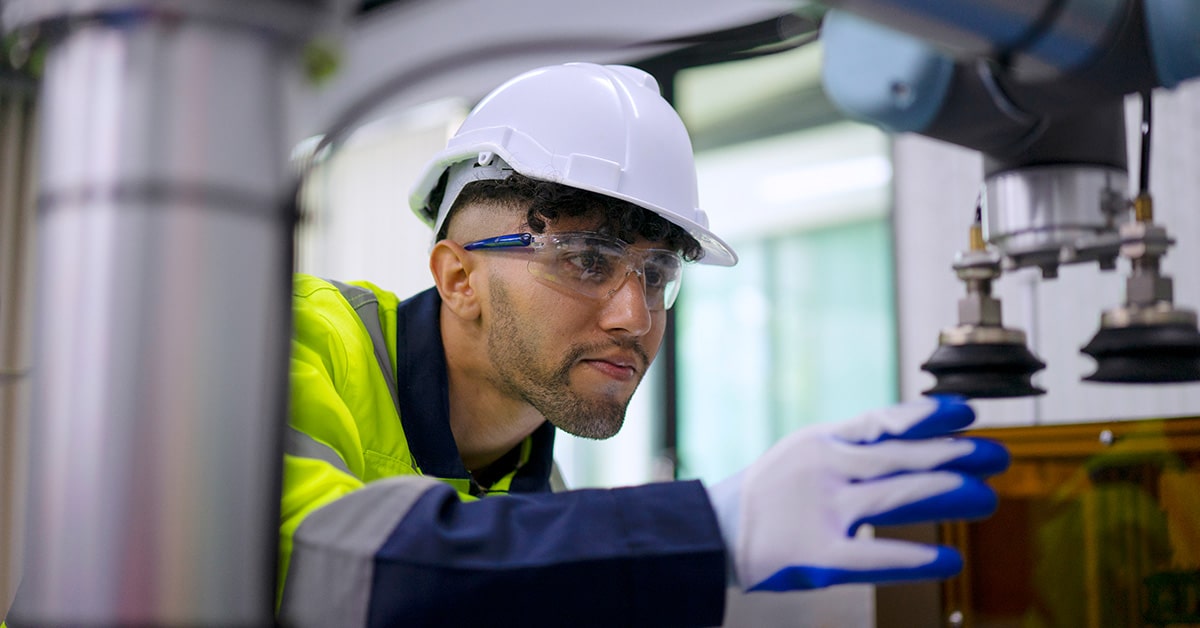


Industrial equipment requires regular maintenance, occasional repairs and, in some cases, extensive rebuilding to remain functional throughout its service life. These activities are collectively known as maintenance, repair and overhaul.
For maintenance managers, reliability engineers and plant operators, understanding maintenance, repair and overhaul involves recognizing how these activities contribute to equipment reliability, asset management and operational efficiency.
Maintenance, repair and overhaul encompasses everything from routine equipment inspections and component replacements to major machinery overhauls. Each activity serves a different purpose, but all three contribute to managing equipment condition and supporting industrial operations.
The term MRO also has another meaning: maintenance, repair and operations. Although the two definitions overlap, they describe different aspects of industrial maintenance.
What is maintenance, repair and overhaul?
Maintenance, repair and overhaul refers to the technical activities performed to maintain equipment condition, restore functionality and rebuild or refurbish machinery when necessary.
The three components of maintenance, repair and overhaul serve different purposes:
- Maintenance: Routine inspections, servicing and adjustments performed to maintain equipment condition and support reliable operation.
- Repair: Corrective work performed to restore equipment functionality following damage, wear or malfunction.
- Overhaul: Extensive inspection, disassembly, refurbishment, or rebuilding of equipment and major components.
Consider an industrial pump as an example. Routine maintenance may involve lubrication, vibration monitoring and seal inspections. If a bearing becomes damaged, technicians may perform a repair to replace the affected component.
During an overhaul, technicians may disassemble the pump, inspect internal components, replace worn parts, and rebuild the assembly. These maintenance and repair activities help organizations manage equipment throughout its operating life.
What is the difference between maintenance, repair and overhaul and maintenance, repair and operations?
Although both terms may use the acronym MRO, maintenance, repair and overhaul and maintenance, repair and operations have different meanings. Understanding the distinction is particularly important because maintenance departments, procurement teams and equipment manufacturers may use MRO differently.
Maintenance, repair and overhaul
Maintenance, repair and overhaul focuses on the technical work required to maintain, repair or rebuild equipment. This terminology is common in aviation, transportation and industrial equipment servicing, where machinery and components may undergo scheduled inspections, corrective repairs and extensive refurbishment.
Typical maintenance, repair and overhaul activities include:
- Scheduled equipment inspections
- Corrective maintenance
- Component rebuilding
- Equipment refurbishment
- Major machinery overhauls
These activities focus primarily on the physical condition and functionality of equipment.
Maintenance, repair and operations
Maintenance, repair and operations generally refers to the supplies, materials, equipment, and services needed to support industrial operations. In manufacturing and procurement, maintenance, repair and operations supplies typically include items used to maintain facilities and equipment rather than materials incorporated into finished products.
Examples of maintenance, repair and operations include:
- Replacement bearings and seals
- Lubricants and maintenance chemicals
- Hand tools and repair equipment
- Personal protective equipment
- Cleaning supplies and facility maintenance materials
How the two definitions overlap
The two meanings are closely related. For example, a manufacturing facility may schedule an equipment overhaul that requires replacement bearings, seals and lubricants. The overhaul represents the technical maintenance activity, while the replacement components are purchased and managed through the facility’s procurement process. Both functions support industrial maintenance, but they address different operational requirements.
What are the three main types of maintenance, repair and overhaul activities?
Industrial maintenance, repair and overhaul activities map three familiar types of work: preventive and predictive maintenance, corrective repairs and equipment overhauls. Understanding these categories helps maintenance teams select appropriate work procedures and allocate resources.
Preventive and predictive maintenance
Preventive maintenance involves scheduled servicing and inspections based on established intervals, equipment usage or manufacturer recommendations.
Common maintenance tasks include:
- Inspecting belts and bearings
- Replacing filters
- Checking electrical connections
- Testing equipment functionality
Predictive maintenance takes a different approach by using equipment condition data to identify developing maintenance needs. For example, vibration analysis may reveal changes in bearing condition, while temperature monitoring may identify abnormal operating conditions.
Maintenance teams can use these measurements to evaluate whether additional inspections or corrective work are appropriate. Both approaches support maintenance planning, although neither eliminates the possibility of unexpected equipment failures.
Corrective maintenance and equipment repairs
Corrective maintenance addresses equipment problems that require repair or component replacement. Some repairs can be scheduled during planned maintenance periods. Others require more immediate attention because equipment has stopped functioning or presents a safety concern.
Common industrial repairs include replacing worn bearings, repairing electrical connections and addressing hydraulic leaks. Before completing repairs, technicians should investigate the underlying problem.
For example, repeatedly replacing a failed bearing without examining lubrication practices, alignment or operating conditions may leave the contributing issue unresolved. Documenting repair findings can also support future troubleshooting and maintenance planning.
Equipment overhaul and rebuilding
An equipment overhaul involves more extensive work than routine servicing or individual component repairs. Overhauls may be scheduled according to operating hours, equipment condition, manufacturer recommendations, or applicable industry requirements.
A typical overhaul may involve:
1. Disassembling the equipment
2. Inspecting internal components
3. Repairing or replacing worn parts
4. Reassembling the equipment
5. Testing functionality before returning the equipment to service
Overhaul procedures vary according to equipment design and operating requirements.
Maintenance teams should follow applicable manufacturer specifications and inspection criteria when determining whether equipment is ready to return to operation.
How do industrial facilities manage maintenance, repair and overhaul activities?
Effective maintenance, repair and overhaul management requires coordination between maintenance personnel, production teams and procurement departments. Facilities must determine which work requires attention, identify available resources and schedule activities around operational requirements.
Work order management
Work orders provide a structured method for organizing maintenance activities. A typical work order process includes identifying the maintenance requirement, evaluating its priority, assigning personnel, and documenting completed work. Maintenance managers may prioritize work based on equipment criticality, safety considerations and potential production impacts.
Maintenance planning and scheduling
Maintenance planning involves identifying the personnel, replacement components, tools, and procedures required to complete work. Scheduling determines when those activities should occur. Coordinating planned maintenance with production schedules can help facilities manage equipment availability and allocate maintenance resources.
Computerized maintenance management systems
A computerized maintenance management system (CMMS) helps organizations organize maintenance information. These systems can support work order tracking, maintenance scheduling, equipment histories, and spare parts inventory. Accurate records also provide information that maintenance teams can use to evaluate recurring equipment problems and track maintenance costs.
Why is spare parts management important?
Replacement parts availability influences how quickly maintenance teams can complete scheduled servicing and equipment repairs. When critical components are unavailable, maintenance work may be delayed while replacement materials are ordered.
Spare parts management involves identifying essential components, maintaining inventory records and coordinating purchasing requirements. Maintenance teams often classify replacement parts according to equipment criticality, supplier lead times and replacement frequency.
Inventory practices may include:
- Tracking spare parts quantities
- Establishing reorder points
- Monitoring supplier lead times
- Maintaining appropriate storage conditions
Coordinating spare parts requirements with planned maintenance activities can help teams prepare for scheduled repairs and equipment overhauls.
How does technology support maintenance, repair and overhaul?
Digital maintenance tools provide information that maintenance teams can use to evaluate equipment condition and plan maintenance activities.
Condition monitoring and predictive maintenance
Condition monitoring involves measuring equipment characteristics such as vibration, temperature, pressure, and operating hours. Changes in these measurements may indicate developing equipment problems. For example, increasing vibration levels may prompt technicians to inspect rotating components for wear, imbalance or misalignment.
Predictive maintenance programs use this information, sometimes alongside historical equipment data and analytical models, to help determine when maintenance may be appropriate.
What are the common challenges in maintenance, repair and overhaul?
Industrial facilities encounter several challenges when coordinating maintenance, repair and overhaul activities.
- Unplanned equipment failures: Unexpected breakdowns can interrupt production schedules and redirect maintenance resources. Equipment inspections and condition monitoring may help identify developing problems.
- Spare parts availability: Long supplier lead times or missing replacement components can delay repairs. Critical spare parts assessments support inventory planning.
- Workforce constraints: Maintenance activities require personnel with appropriate technical knowledge and equipment experience. Training and documented procedures support knowledge transfer.
- Incomplete maintenance records: Missing equipment histories can complicate troubleshooting and maintenance planning. Consistent documentation provides information for evaluating recurring issues.
Organizations must also consider maintenance costs, including labor, replacement parts, contracted services, and production impacts when determining maintenance priorities.
Support industrial maintenance operations
Understanding maintenance, repair and overhaul helps industrial organizations distinguish between routine servicing, corrective repairs and major equipment rebuilding, and plan for each. Effective management involves maintenance planning, equipment inspections, accurate records, and appropriate technical resources.
ATS supports manufacturers with industrial maintenance services, from short-term maintenance support to full ownership of the maintenance function, designed to improve equipment reliability and support operational efficiency.
From preventive maintenance and equipment repairs to predictive maintenance and asset management, ATS helps organizations address maintenance challenges, manage maintenance activities and make informed decisions about equipment performance. Talk with an ATS expert.
